Hi, Readers! Step into a Japanese convenience store, and the first surprise is how quickly the usual idea of "quick food" falls apart.
Instead of a lonely shelf of forgettable snacks, you find neatly arranged rice balls, noodle bowls, salads, sandwiches, desserts, and hot dishes that look thoughtfully prepared.
That is why eating in these stores can feel less like settling for convenience and more like choosing a compact, well-planned meal.
What makes the experience serious is not just variety. It is the consistency. Major chains in Japan treat prepared food with a level of care that many people usually associate with specialty shops. Rice balls are wrapped to keep seaweed crisp until the exact moment you open them.
Sandwiches are soft, tidy, and balanced. Bento boxes are portioned with attention, so the meal feels complete rather than random. Even when the price is modest, the structure of the food suggests planning, testing, and steady quality control.
Precision in small things
One reason these stores stand out is their focus on details that many fast meal systems ignore. Packaging is engineered so texture survives the trip from shelf to table. Ingredients are arranged to prevent sogginess. Labels are clear and helpful. The result is a meal that feels designed rather than merely assembled.
This precision matters because convenience food usually disappoints in texture first, yet here texture is often part of the appeal. A simple rice ball can have distinct rice grains, a clean filling, and seaweed that still offers contrast.
That careful approach extends to staples people buy every day. Egg sandwiches have become famous for their soft bread and rich filling, but they are only one example. Noodle dishes, fried chicken, puddings, and seasonal sweets all reflect the same system: familiar items made reliable through repetition and strict standards.
The pleasure comes from knowing that even a humble item is expected to meet a certain level every single time.
Balance, not excess
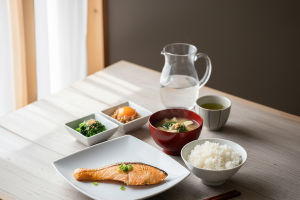
Another reason the experience feels substantial is balance. Meals are often built around portions that satisfy without turning heavy. You can combine a rice ball with miso soup, a small salad, and tea, or pick a bento that includes rice, protein, and vegetables in a straightforward layout.
This gives the meal a sense of order. Instead of chasing size alone, the stores often deliver a combination of convenience, restraint, and completeness. That balance also helps explain why people do not treat these meals only as an emergency option.
Office workers, students, travelers, and local residents may choose them deliberately because they fit daily life. They are quick, dependable, and broad enough in range that repeating the experience does not feel dull. The food meets people where they are, whether they want breakfast on the move, a tidy lunch, or a late-evening meal that still feels composed.
Seasonality and everyday pleasure
Japanese convenience stores also build excitement through rotation. New fillings, desserts, and regional specialties appear regularly, so the shelves can feel active rather than static. That changing lineup encourages curiosity. Even frequent visitors can spot something new, and that sense of discovery adds to the appeal.
A convenience store meal becomes not just practical but also a small routine pleasure.
There is also a wider cultural point here. Serious food culture does not always live only in expensive dining rooms. It can show up in everyday systems, in places designed for speed, and in foods meant for ordinary schedules.
When a society puts thought into accessible meals, the result can be surprisingly moving. A convenience store then becomes a place where quality is democratized, where a quick stop can still offer care, comfort, and craft.
The next time you pass a convenience store, remember that good food isn't always found in restaurants or markets. Sometimes it's wrapped in plastic, sitting on a shelf, waiting for someone hungry and curious. Japanese konbini remind us that efficiency and care can coexist – and that a quick stop can still offer comfort, flavor, and a moment of genuine satisfaction.
It's a small but powerful lesson: respect the meal, no matter how humble its setting.