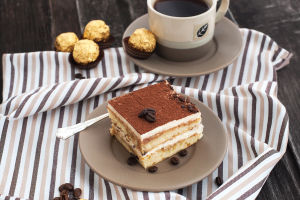
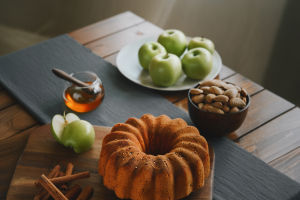
Hi, Readers! A meal starts reaching your brain before the first bite ever lands on your tongue.
The way food is arranged on a plate can change what you expect to taste, how refined you think it is, and even how satisfying it feels. Japanese plating is often admired for this reason.
It treats presentation not as decoration alone, but as part of the dining experience itself, where color, spacing, texture, and vessel choice all work together.
Plating is the arrangement and decoration of food to improve its presentation. In many dining traditions, appearance helps set expectations, and those expectations shape perception. When a plate looks balanced, clean, and intentional, the brain often reads the meal as more thoughtful and more enjoyable.
This is one reason beautifully presented food can seem richer in flavor, even when the ingredients remain unchanged. Visual cues prepare the mind for sweetness, freshness, lightness, or depth before eating begins.
Why appearance matters
The brain constantly interprets visual information, and food is no exception. Color contrast can make ingredients feel fresher, while symmetry or deliberate asymmetry can make a dish seem more refined.
Portion spacing also matters. A crowded plate may feel heavy, while open space can create a sense of calm and care. Japanese plating often uses this visual restraint very effectively.
Instead of filling every part of the dish, it may highlight one central element and let the remaining space guide attention. That quiet balance can make a meal feel more focused and more memorable.
Key ideas in Japanese plating
Japanese plating is widely associated with seasonality, harmony, and contrast. A dish may be arranged to reflect the time of year through color and garnish choice. The plate or bowl is not just a container, but part of the presentation. Shape, material, and size all influence the overall impression.
A dark bowl can make pale ingredients stand out, while a simple ceramic surface can emphasize natural textures. Small details, such as the angle of placement or the separation between components, help create rhythm and clarity across the plate.
How the mind connects sight and flavor
Taste is not formed by the tongue alone. The brain combines sight, aroma, texture, and expectation into one experience. If food looks carefully composed, people may assume it is prepared with equal care in flavor and texture. This expectation can influence the actual eating experience.
Neat arrangement, bright ingredients, and clear structure can all increase anticipation. In that sense, plating works like a silent introduction. It tells the diner what kind of experience to expect, and the brain responds before the first bite.
Simple ways to plate better at home
You do not need a formal setting to use these ideas. Start by choosing a plate that fits the portion instead of overwhelming it.
Leave some open space so each ingredient is visible. Use color thoughtfully, placing lighter and darker elements where they can support each other. Try varying height slightly to avoid a flat appearance. Most of all, keep the arrangement intentional. A simple meal can feel special when it looks organized and calm rather than rushed.
In the end, plating is more than appearance. It shapes expectation, attention, and enjoyment all at once. Japanese plating shows how a thoughtful visual approach can turn an ordinary meal into a more complete sensory experience. Next time you serve food, take a moment to arrange it with care. Your brain may taste the difference before you even begin.