Walking into a watch shop for the first time can be an exciting experience. With so many designs, sizes, and styles on display, it's easy to be drawn to a bold, oversized timepiece.
While large watches have remained popular for years, wearing one quickly raises an important question: does a bigger watch always make a better choice?
In reality, the answer depends on much more than current trends. The right watch should feel comfortable, complement your proportions, and suit your everyday lifestyle. Choosing the appropriate size not only improves comfort but also creates a more balanced and versatile look.
Comfort Comes First
Comfort should always be one of the most important factors when choosing a watch. A case that is too large can feel heavy, slide around the wrist, or catch on clothing during everyday activities. Over time, an oversized watch may become uncomfortable to wear for extended periods.
A well-fitting watch should sit securely on the wrist without feeling overly tight or excessively loose. Ideally, the lugs—the sections that connect the strap or bracelet to the case—should not extend beyond the edges of your wrist. When a watch fits properly, it remains stable, feels balanced, and is easy to read throughout the day.
Finding the Right Proportion
Watch size plays a significant role in overall appearance. A large case on a smaller wrist may appear oversized, while a very small watch on a broader wrist can create a more understated look. Finding the right balance helps the watch complement both your proportions and your personal style.
For many people, round cases between 36 mm and 40 mm provide a versatile fit suitable for everyday wear, while others may prefer 41–42 mm or larger for a bolder appearance. These measurements are general guidelines rather than strict rules. Personal comfort and individual preference should always take priority over trends.
Matching the Watch to the Occasion
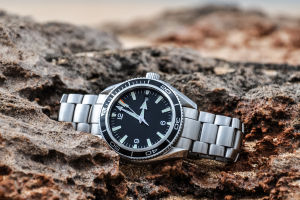
Different occasions often call for different watch styles. Larger sports watches are well suited to outdoor activities and casual outfits, while slimmer, medium-sized designs typically pair more naturally with business or formal attire. Selecting a watch that complements both your wardrobe and the occasion helps create a refined, cohesive appearance.
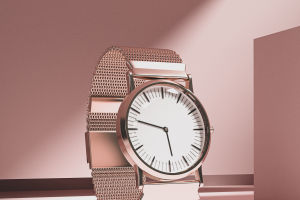
The strap or bracelet also influences overall comfort. Leather straps offer a classic feel, metal bracelets provide durability, and mesh bracelets deliver a lightweight wearing experience. Choosing the option that feels most comfortable ensures the watch remains enjoyable to wear throughout the day.
Finding Your Ideal Fit
Before purchasing a watch, measure your wrist circumference where you normally wear your watch using a flexible measuring tape. Trying on several case sizes side by side is one of the most effective ways to compare proportions and determine which size feels most natural.
Rather than focusing solely on case diameter, pay attention to how the watch sits on your wrist, how easily it slips beneath a sleeve, and whether its weight feels comfortable during daily activities. Taking the time to compare different options can help you make a choice you'll appreciate for years to come.
Final Thoughts
A larger watch is not automatically a better watch. The ideal size is one that feels comfortable, suits your wrist, complements your personal style, and matches your daily routine. By prioritizing fit over trends, you can choose a timepiece that looks balanced, feels natural, and remains enjoyable to wear in any setting.
Ultimately, the best watch is not defined by its size but by how confidently and comfortably you wear it.