Hi, Readers! Watering ornamental plants can feel like being a very caring host, always topping up the glass before anyone asks.
But with plants, too much kindness can turn into a soggy mess fast. Overwatering is one of the most common reasons ornamental plants struggle, especially in containers and indoor settings where water hangs around like an uninvited guest.
When roots sit in overly wet compost or soil for too long, the plant cannot function normally, and the whole performance starts to wobble.
The biggest problem begins below the surface. Plant roots need air as well as water.
When soil stays soaked, air spaces disappear, and roots are left gasping like someone trying to nap in a room with no fresh air. Without enough oxygen, roots cannot absorb water and nutrients properly. That sounds backward, but it is true: a plant surrounded by water can still behave as if it is thirsty because damaged roots are no longer doing their job.
Root trouble starts first
One of the clearest effects of overwatering is root decline and root rot. Constantly wet conditions encourage root damage, and once roots begin to rot, uptake of nutrients drops sharply. That means the top growth often shows the first obvious clues.
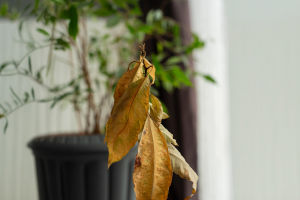
Leaves may turn yellow, starting with older ones or spreading more widely depending on the plant. Growth slows down, stems may become soft, and the plant can look limp even though the soil is wet. It is a bit like wearing waterlogged shoes all day and then being asked to run errands. Nothing works quite right.
Leaves and shoots send distress signals
Above ground, overwatered ornamental plants often look dull, pale, or wilted. Wilting is especially confusing for plant owners because it usually screams, "Water me!" when the real issue is the opposite. Leaves can also drop earlier than normal, and new growth may be weak or sparse. In flowering ornamental plants, blooming may be reduced, buds may fail to open well, and the overall display can lose its sparkle. A once cheerful plant can start looking like it has given up on the week.
Wet soil invites disease
Excess moisture can lead to water mould and fungal problems, especially in soggy compost or poorly drained soil. Overwatering is worse in oversized pots, standing water, and low spots where water collects.
Why containers are especially risky
Potted ornamental plants are more vulnerable to overwatering because roots are confined. Poor drainage or a moisture-retaining mix can make symptoms show up fast, especially in cool or low-light conditions.
How to recognize and prevent it
Check the soil before watering. If it still feels wet, wait. Make sure pots drain well, avoid standing water, and use a potting mix that suits the plant. If you think you’ve overwatered, cut back on watering and improve drainage. In serious cases, repotting into fresh compost and removing rotten roots may help.
Too much water can cause root rot, yellow leaves, weak growth, wilting, and disease. If the plant looks unhappy but the soil is wet, don’t add more water.