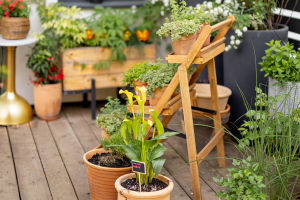
If you have a balcony, you already have the foundation for a refreshing green escape—no backyard required.
With the right approach, even a small outdoor space can become a vibrant garden filled with color, fragrance, and life. A well-planned balcony garden not only enhances your home’s beauty but also offers a calming place to relax, grow fresh herbs, and reconnect with nature.
The key is understanding your space and giving your plants the care they need to thrive throughout the year.
1. Select the Right Plants for Your Space
Understanding Your Environment:
The first step to a successful balcony garden is choosing plants that will thrive in the conditions available to you. Take into account your balcony's exposure to sunlight, wind, and rain.
- Sunlight Exposure: Does your balcony get full sun, partial shade, or full shade? Full sun areas will be perfect for sun-loving plants like succulents, herbs, and flowering plants such as geraniums or petunias. For shady spots, ferns, begonias, and impatiens will thrive.
- Wind and Weather: If your balcony is exposed to strong winds or sudden weather changes, opt for hardier plants like lavender, ornamental grasses, or compact shrubs that can handle the elements.
- Space Considerations: Be mindful of your available space. Vertical gardening, using wall-mounted planters or trellises, can be a great solution for small balconies.
Choosing the right plants for your balcony's specific conditions ensures a lush garden without the frustration of constant plant loss or wilting.
2. Invest in Quality Containers and Soil
The Importance of Good Foundation:
The soil and containers you use play a crucial role in the health of your balcony garden. Plants need good drainage to prevent waterlogging, which can lead to root rot.
- Containers: Choose pots with drainage holes, or use planters with a built-in drainage system. You can also elevate your pots slightly to allow excess water to drain out.
- Soil: Use high-quality potting soil specifically designed for container gardening. Regular garden soil is too dense and doesn't drain well in pots. For certain plants like herbs, consider using a well-draining mix that ensures their roots don't stay too moist.
Investing in the right soil and containers from the beginning will save you time and frustration in the long run.
3. Regular Watering and Maintenance
Keeping Your Plants Hydrated:
Proper watering is key to maintaining a healthy balcony garden. Overwatering or underwatering can harm your plants, so it's essential to establish a consistent watering routine.
- Watering Schedule: Water your plants early in the morning or late in the evening when temperatures are cooler. This helps to reduce water loss due to evaporation. Adjust the frequency based on the type of plant and the climate in your area.
- Drip Irrigation or Watering Cans: If you have a lot of plants, installing a simple drip irrigation system can help with consistency. For smaller gardens, a watering can with a long spout works perfectly for reaching each plant.
- Humidity Needs: If your balcony is particularly dry or sunny, consider misting your plants with water or adding a humidity tray beneath them to prevent them from drying out.
Regular attention to watering and maintenance will keep your balcony garden thriving. Don't forget to also check for pests or diseases regularly, and remove dead or yellowing leaves to keep plants healthy.
4. Fertilize for Healthy Growth
Give Your Plants the Nutrients They Need:
Just like us, plants need nutrients to grow strong and healthy. A regular fertilizing schedule will ensure that your plants have the food they need to flourish.
- Organic Fertilizers: Organic fertilizers like compost or well-rotted manure are excellent choices for balcony gardens as they enrich the soil naturally.
- Liquid Fertilizers: For quick results, liquid fertilizers are an easy way to give plants a nutrient boost. Be sure to follow the directions on the packaging to avoid over-fertilizing, which can harm the plants.
- Timing: Fertilize during the growing season (spring and summer) when your plants are actively growing. Reduce fertilizing in the fall and winter when most plants are dormant.
Fertilizing your plants regularly promotes vigorous growth and blooms, making your balcony garden a true oasis.
5. Maximize Space with Vertical Gardening
Grow Up, Not Out:
If you have limited space, vertical gardening can help you maximize your growing area. You don't need a large backyard to have a flourishing garden—just think upwards!
- Wall Planters: Use hanging pots, shelves, or even a vertical garden tower to grow plants on your balcony's walls.
- Trellises for Climbing Plants: Installing a trellis allows you to grow climbing plants like beans, peas, or climbing roses without taking up valuable floor space.
- Railing Planters: Railings are perfect for holding small pots, herbs, or flowers, making use of often-overlooked spaces.
Maximizing vertical space gives you more room to grow a variety of plants, even in a small balcony garden.
6. Protect Your Plants from Harsh Weather
Keeping Plants Safe:
If you live in an area with extreme weather conditions, protecting your balcony garden from the elements is crucial. Too much wind or rain can damage delicate plants.
- Shade Cloth or Netting: For particularly hot summers, use shade cloth or netting to shield your plants from harsh sunlight. This will protect delicate plants from wilting or drying out.
- Winter Protection: In colder climates, move potted plants to a sheltered spot or use frost covers during winter months to prevent frost damage.
Ensuring that your plants are protected from harsh weather helps extend their life and maintain their beauty throughout the year.
Your Balcony, Your Green Sanctuary
Transforming your balcony into a flourishing garden is not only about the plants you choose but also the care and attention you give them. By selecting the right plants, investing in quality containers, maintaining a regular watering schedule, and protecting them from extreme weather, you'll create a green sanctuary right outside your window. A well-kept balcony garden can offer beauty, tranquility, and even fresh herbs for cooking—turning your small outdoor space into a place of natural joy.
Remember, gardening takes time and patience, but the rewards are well worth the effort. Happy gardening!