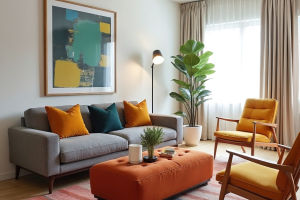
Interior spaces are no longer just about aesthetics and comfort — they've become arenas for environmental stewardship and healthier living.
The growing awareness of climate change and indoor pollution has shifted both designers' and homeowners' priorities toward choices that reduce ecological footprints while enhancing life quality.
Smart material selections and energy efficient practices can transform a home into a sustainable sanctuary.
What Makes Interior Design “Sustainable”
Sustainable interior design integrates eco friendly materials and mindful practices that lower environmental impact without sacrificing style. At its core, this design philosophy connects resource conservation, reduced waste, and healthy indoor environments in an intentional way — from the ground up.
Renewable and Reclaimed Materials
1. Bamboo: Rapid growing and highly renewable, bamboo serves as a durable material for flooring, cabinetry, and furniture. Its quick harvest cycle makes it one of the most sustainable choices for modern interiors.
2. Cork: Harvested from cork oak bark without harming the tree, cork provides natural insulation and a comfortable surface underfoot. Its hypoallergenic properties further enhance indoor environmental quality.
3. Reclaimed Wood: Salvaged from old buildings or furniture, reclaimed wood reduces the need for newly harvested timber and adds unique character and warmth to any space.
4. Recycled Glass and Metals: Recycled glass can be used in decorative elements and countertops, while recycled metal frames and fixtures reduce demand for new raw materials.
Non Toxic Finishes
Traditional paints and finishes often contain volatile organic compounds (VOCs) that emit harmful chemicals long after application. Choosing low VOC or zero VOC paints greatly improves indoor air quality, creating healthier environments especially in living rooms, bedrooms, and kitchens.
Eco Conscious Flooring and Walls
Sustainable flooring options like linoleum (made from natural linseed oil and cork), bamboo, and cork help conserve resources while enhancing aesthetic appeal. Walls painted with natural or recycled materials and clay or lime plasters not only reduce chemical exposure but also regulate humidity naturally, improving comfort without mechanical systems.
Energy Efficiency: The Heart of Green Interiors
Lighting often accounts for a significant portion of household energy use. LED lighting uses up to 80 % less energy than traditional bulbs and lasts much longer, representing a high impact choice for eco friendly spaces. Smart lighting systems and sensors further optimize electricity use by adjusting brightness and scheduling usage based on need.
In addition to artificial lighting, passive design strategies — such as maximizing natural light through thoughtfully placed windows and allowing natural ventilation — reduce reliance on heating, cooling, and electric lighting. Integrating energy efficient appliances also helps minimize consumption while enhancing comfort.
Beyond Materials: Sustainable Practice
Sustainability in interiors goes beyond raw materials. Designers and homeowners alike are embracing upcycling and second hand furnishings to keep items out of landfills, and incorporating greenery indoors not only improves air quality but also creates connections with nature that improve mental well being.
These practices remind us that every choice — from the floor beneath our feet to the fixtures that illuminate our evenings — contributes to our collective environmental impact.
Reflection: Designing with Purpose
The movement toward sustainable interiors is not merely a trend — it represents a deep shift in how we value our living spaces. It invites us to see our homes not just as places of comfort but as expressions of responsibility toward the planet and ourselves.
Choosing materials that renew, designing systems that conserve, and creating interiors that nurture both ecological and human health ultimately reconnects design with its most fundamental purpose: to support life in harmony with nature.