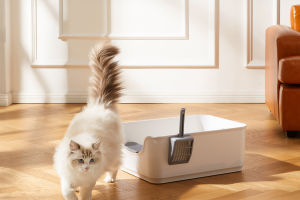
Finding the right type of cat litter can be overwhelming with so many options available. From clumping to non-clumping, natural to synthetic, the choices seem endless.
The perfect litter for your cat should meet both your cat’s needs and fit your lifestyle and budget.
In this article, we’ll break down the most popular types of cat litter, so you can make an informed decision on which one works best for you and your furry friend.
1. Clumping Clay Litter
Clumping clay litter is one of the most widely used types of cat litter, and for good reason. It's easy to clean, affordable, and readily available in most pet stores.
- How it works: This litter absorbs moisture and forms hard clumps when wet, which makes it easy to scoop out waste and keep the litter box clean.
- Pros: It's great for odor control, and because it clumps, it's simple to scoop out waste regularly, keeping the litter box fresher for longer.
- Cons: Typically made from sodium bentonite, which is not biodegradable. Heavy in weight, and some cats with respiratory issues may be sensitive to the dust.
For example, if you're looking for a cost-effective option that's easy to clean and can last a few days between changes, clumping clay litter is a solid choice.
2. Non-Clumping Clay Litter
Non-clumping clay litter is another common option, although it doesn't form clumps like its clumping counterpart. Instead, it absorbs moisture and tends to get compacted over time.
- How it works: Non-clumping clay litter absorbs liquids but doesn't form hard clumps. You'll need to change the entire litter box more frequently to keep odors at bay.
- Pros: It's generally cheaper than clumping litter, and it's available in large quantities, making it a good option for multiple-cat households.
- Cons: Non-clumping litter doesn't do as great a job at controlling odors, and it's harder to scoop since it doesn't form clumps.
If you're on a budget and don't mind cleaning the litter box a little more often, non-clumping clay litter is a decent choice.
3. Silica Gel Litter
Silica gel litter is a newer option that's gaining popularity due to its high absorbency and minimal dust. This litter is made of tiny crystals that absorb moisture and control odor.
- How it works: The silica crystals trap moisture and odors, and because they don't clump, they need to be changed less frequently. You can scoop out solids, but the crystals last longer than clay-based litters.
- Pros: It offers excellent odor control, it's low dust, and it lasts longer than most other litters, making it a good choice for busy pet owners.
- Cons: It's more expensive than traditional clay litters, and some cats may not like the texture of the crystals under their paws.
If you're looking for a low-maintenance option that can last longer between litter changes, silica gel might be the right choice for you.
4. Natural and Biodegradable Litters
Natural litters are made from renewable resources like corn, wheat, pine, or recycled paper. These litters are gaining popularity for their eco-friendly appeal.
- How it works: Most natural litters absorb moisture and control odor without harsh chemicals. They can come in clumping or non-clumping forms.
- Pros: They're biodegradable, which makes them better for the environment. Many natural litters are also flushable, and some have a pleasant natural scent, such as pine or corn.
- Cons: They tend to be more expensive than clay-based options, and some types may not control odors as well as clumping clay or silica gel litter.
For example, if you're eco-conscious and prefer to avoid synthetic materials, a biodegradable litter made from recycled paper or corn might be a great alternative.
5. Wood Pellet Litter
Wood pellet litter is another natural option made from compressed wood. It's environmentally friendly and provides a soft texture that many cats like.
- How it works: The pellets absorb moisture and break down into sawdust. You'll need to scoop out the sawdust and replace it with fresh pellets regularly.
- Pros: It's an eco-friendly option that's less dusty and gentle on cats' paws. It also absorbs odors well and is biodegradable.
- Cons: It doesn't clump, so it's harder to scoop than other litters, and it may require more frequent changes to keep it fresh.
If you're looking for a natural option that's gentle on your cat's paws and good for the environment, wood pellet litter could be a great choice.
6. Recycled Paper Litter
Recycled paper litter is a highly eco-friendly option made from recycled paper products, such as newspapers or cardboard. It's soft, absorbent, and gentle on cats' paws.
- How it works: The litter absorbs moisture and breaks down over time. It's also available in both clumping and non-clumping varieties.
- Pros: It's biodegradable, gentle on sensitive paws, and it's a great option for cats with respiratory issues since it's low in dust.
- Cons: It's not as effective at controlling odors as some other types of litter, and it needs to be changed more frequently.
For sensitive cats or pet owners who prioritize sustainability, recycled paper litter is a great option.
Conclusion
There is no one-size-fits-all cat litter. The best choice depends on your cat’s preferences and your priorities as a pet owner. Clumping clay litters are reliable and easy to clean. Silica gel offers low-maintenance convenience. Natural options, like wood pellet and recycled paper litters, provide eco-friendly alternatives but may require more frequent maintenance. Whatever you choose, ensure it keeps your cat comfortable while meeting your cleaning and odor-control needs.