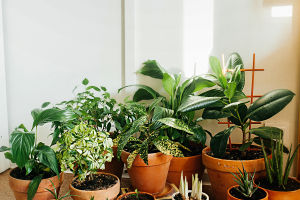
As the air turns crisp and daylight fades, your indoor plants feel it too.
Shorter days, lower light levels, and dry indoor air can stress houseplants, causing yellow leaves, slow growth, or inviting pests.
Fall houseplant care doesn’t have to be complicated—just a few simple adjustments can help your plants survive the season and stay lush all winter long. Here are seven essential tasks to keep your indoor garden thriving through autumn.
1. Adjust Watering: Reduce watering as growth slows
Houseplants naturally enter a dormancy phase in autumn. Their growth slows, and their water needs decrease. Overwatering during this period can rot roots or damage leaves. Check the soil with your finger or a moisture meter and water only when the top inch is dry. Make sure your pots have proper drainage and reduce watering—possibly to once a week—depending on your indoor environment.
2. Optimize Light Exposure: Move plants closer to light
Short fall days and low sun angles mean plants may not get enough light. Place them near south-facing windows or supplement with grow lights if needed. Avoid drafts from windows or doors, which can cause leaf drop. Consistent light prevents leggy growth and maintains strong foliage.
3. Pause Fertilizer: Stop feeding until spring
As growth slows, houseplants don’t need extra nutrients. Fertilizing in fall can push weak shoots or burn roots. Wait until spring, when longer days trigger growth again, and resume feeding with diluted or slow-release fertilizer suitable for your plant types.
4. Clean Leaves and Pots: Clear dust and debris
Dusty leaves reduce photosynthesis, and debris in pots can invite pests or mold. Wipe leaves gently with a damp cloth or use plant cleaning gloves. Remove dead leaves and soil from the container surface, and rinse saucers to prevent mold. Clean pots help plants stay healthy and strong throughout the season.
5. Prune Dead or Dying Growth: Trim yellow or brown leaves
Dead foliage drains energy from plants. Use clean, sterilized tools to snip off dying leaves and stems. Avoid over-pruning; leave healthy stems intact. Light pruning keeps plants tidy and ready for winter’s lower light conditions.
6. Inspect for Pests: Check for bugs after summer outdoors
Spider mites, fungus gnats, and other pests may hitchhike indoors. Inspect the undersides of leaves and the soil carefully. Treat infestations promptly using plant-based oils, insecticidal soap, or sticky traps.
7. Boost Humidity: Increase indoor moisture
Dry indoor air from heating can stress tropical houseplants and encourage pests. Raise humidity with pebble trays, a humidifier, or by grouping plants together. Even small adjustments can noticeably improve leaf health and reduce stress.
Autumn is the perfect time to give your houseplants extra attention. By adjusting water, light, and nutrients, cleaning foliage, pruning dead growth, checking for pests, and boosting humidity, you can prevent seasonal stress. Following these simple steps ensures your indoor garden remains healthy, vibrant, and ready to flourish when spring arrives.