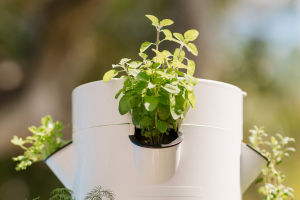
You glance at a small patch of soil on your balcony, wondering if those tiny seeds can ever transform into towering, golden blooms.
Watching sunflowers stretch toward the sun is not just beautiful—it's deeply satisfying. With the right techniques, even a modest balcony container or backyard corner can become a thriving sunflower garden, providing color, seeds, and a joyful connection to nature.
Choosing the Right Soil
1. Well-Draining Mix
Sunflowers thrive in soil that drains well while retaining enough moisture. A mix of garden soil, compost, and a bit of sand or perlite works well for both pots and garden beds. Avoid heavy clay soils, as waterlogged roots can stunt growth or cause rot.
2. Nutrient-Rich Base
Before planting, enrich the soil with organic compost or slow-release fertilizers. Sunflowers are heavy feeders, and nutrient-rich soil promotes strong stems and vibrant petals. If planting in pots, ensure the container is deep enough to accommodate root growth, usually at least 30 centimeters in depth.
3. pH Balance
Sunflowers prefer slightly acidic to neutral soil, with a pH between 6.0 and 7.5. Testing soil pH with a simple kit helps ensure optimal nutrient absorption and healthy development.
Watering Strategies
1. Consistent Moisture
Sunflowers need regular watering, especially during germination and early growth. The soil should remain moist but not soggy. A slow, deep watering encourages roots to grow downward, strengthening the plant.
2. Adjust for Container vs. Ground
Potted sunflowers dry out faster than those in the garden. Check soil daily during hot weather and water as needed. Mulching around the base can help retain moisture and reduce evaporation.
3. Avoid Overhead Watering
Watering at the soil level rather than over the leaves reduces the risk of fungal diseases, particularly in humid conditions. Early morning watering allows leaves to dry during the day, preventing mold.
Fertilization and Growth Support
1. Balanced Fertilizer
Applying a balanced fertilizer once every 3–4 weeks supports steady growth. A nitrogen-rich formula encourages leafy development early on, while additional phosphorus promotes flowering later.
2. Stake Tall Varieties
For tall sunflower varieties, installing a stake or support helps prevent stems from bending or breaking under wind or rain. Tie stems gently with soft ties to avoid damaging the plant.
3. Companion Plants
Planting sunflowers alongside tomatoes, peppers, or other vegetables can improve microclimates and attract pollinators. Their height can also provide partial shade for sensitive plants in the afternoon sun.
Pest and Disease Management
1. Common Pests
Aphids, caterpillars, and spider mites can affect sunflower growth. Inspect leaves regularly and use mild insecticidal soap or natural predators like ladybugs to control infestations.
2. Fungal Protection
Powdery mildew or rust can occur in humid conditions. Proper spacing for airflow, watering at the soil level, and removing infected leaves promptly help prevent outbreaks.
3. Rotating Locations
If planting year after year in the same spot, rotate containers or garden areas to reduce soil-borne diseases and maintain soil fertility.
Managing Bloom and Harvest
1. Flower Timing
Sunflowers usually bloom 70–100 days after planting. Regular observation ensures you notice full blooms at their peak, ready to attract pollinators and brighten your space.
2. Seed Harvesting
Once petals fade and the back of the flower head turns brown, seeds are ready to harvest. Cut the flower head, dry it in a ventilated area, and gently remove seeds for eating, planting, or crafting.
3. Continuous Planting
To enjoy extended flowering, stagger planting times every few weeks, especially in larger backyard plots. This approach keeps your garden vibrant over a longer season.
Sunflower gardening is a rewarding blend of observation, patience, and care. By choosing the right soil, managing water and nutrients, and monitoring for pests, even a small balcony can host bright, sturdy blooms. Watching these cheerful flowers grow not only brings beauty to your home but also provides a tangible sense of accomplishment, connecting you to the rhythm of nature and the quiet joy of nurturing life.