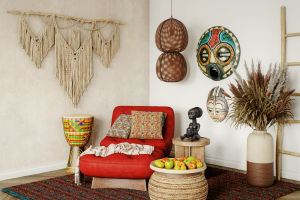
There's a noticeable difference between a room filled with furniture and one softened by greenery.
The air feels lighter, the corners less rigid, and even afternoon light seems gentler when filtered through leaves.
More homeowners are moving beyond a single houseplant on a shelf and embracing immersive greenery—vertical plant walls, thoughtful container arrangements, and natural materials that echo the outdoors.
The Rise of Plant Walls
1. Structured Vertical Systems
Plant walls, also known as vertical gardens, transform blank surfaces into living compositions. Modular panel systems allow plants to grow upright with integrated irrigation channels that distribute water evenly. These systems are especially useful in apartments where floor space is limited. A well-installed vertical garden can function as a focal point in a living room or even as a backdrop in a dining area. Maintenance involves checking irrigation lines and trimming growth to prevent overcrowding.
2. Selecting Suitable Species
Not all greenery thrives vertically. Hardy varieties such as ferns, philodendrons, and pothos adapt well because they tolerate indirect light and moderate humidity. In rooms with limited sunlight, LED grow lights designed for indoor horticulture can supplement natural light without overwhelming the aesthetic. Observing leaf color and growth patterns helps determine whether lighting levels are sufficient.
3. Visual Composition
A successful plant wall isn't random. Designers often arrange foliage by color, leaf size, and texture to create balance. Combining broad leaves with delicate fronds introduces dimension. Repeating similar tones across different species prevents the wall from looking chaotic while still maintaining organic variety.
Thoughtful Container Layouts
1. Layered Heights
Arranging greenery at multiple levels creates depth. Floor-standing planters, mid-height stands, and hanging containers allow foliage to cascade at different elevations. This layered approach mimics natural forest growth patterns, where plants occupy various strata rather than a single plane.
2. Grouping by Light Needs
Positioning plants according to their light requirements improves longevity and appearance. Sun-loving species should be placed near south- or west-facing windows, while shade-tolerant varieties thrive farther from direct light. Grouping plants with similar needs simplifies care routines and prevents uneven growth.
3. Breathing Space
Overcrowding reduces airflow and increases the risk of pests. Leaving space between containers allows each plant to receive adequate light and ventilation. This spacing also enhances visual clarity, ensuring each specimen can be appreciated individually rather than blending into a dense cluster.
Natural Materials as a Foundation
1. Wood and Rattan Accents
Natural materials strengthen the connection between greenery and interior architecture. Wooden shelving, rattan chairs, and bamboo screens complement foliage without competing for attention. The grain patterns and woven textures echo organic forms found in leaves and stems.
2. Stone and Clay Elements
Stone tabletops, ceramic planters, and textured tiles introduce subtle earth tones that ground vibrant greens. Unlike synthetic finishes, these materials develop character over time, enhancing authenticity. A matte clay container paired with trailing greenery creates a harmonious, understated look.
3. Textiles in Natural Fibers
Linen curtains, cotton cushions, and jute rugs soften the overall composition. These fabrics allow light to filter gently while reinforcing the natural theme. Plants release water vapor through transpiration, but the effect on overall indoor humidity varies—so it’s best to treat it as a subtle bonus, not a guarantee.
Creating Balance Between Nature and Structure
1. Clear Architectural Lines
Greenery thrives when balanced with clean architectural elements. Neutral walls and simple furniture silhouettes prevent the room from feeling overgrown. This contrast highlights the organic shapes of leaves without overwhelming the senses.
2. Consistent Care Routines
Healthy plants are essential to maintaining aesthetic appeal. Regular pruning, dusting leaves, and checking soil moisture keep arrangements vibrant. Using self-watering systems can help maintain consistency, especially for vertical installations.
3. Intentional Restraint
More plants do not automatically create better design. Selecting a manageable number of species and arranging them thoughtfully preserves harmony. Strategic placement—such as framing a window or accenting a reading nook—often has more impact than filling every corner.
The Royal Horticultural Society notes that indoor plants can support wellbeing, describing benefits linked to “improved psychological (mental) well-being.”
Indoor greenery is more than decoration; it reshapes how a space feels and functions. A living wall can become a daily reminder of growth, while carefully arranged containers add rhythm to a room's layout. Paired with wood, stone, and woven textures, plants transform interiors into environments that breathe. Start with one blank wall or a quiet corner, observe how light moves across the leaves, and allow the space to evolve gradually. The result is not just a greener home, but a calmer one.