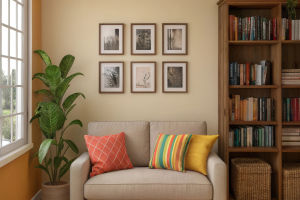
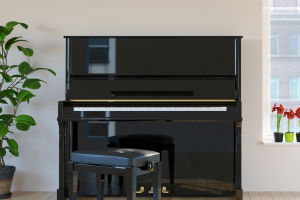
Walking into a room filled with modern furniture, you immediately notice how clean lines, functional layouts, and thoughtful details change the way the space feels.
Modern furniture isn't just about looking stylish—it's about improving comfort, flow, and practicality in everyday living.
From minimalist sofas to modular shelving, every piece tells a story of design meeting daily life.
Sleek Lines and Minimalist Shapes
Modern furniture often focuses on simplicity and clarity. Straight edges, smooth curves, and unadorned surfaces create a sense of openness.
Tips to achieve sleek design:
1. Choose furniture with simple silhouettes—avoid overly ornate legs or carvings.
2. Use pieces with slim profiles to make small rooms feel larger.
3. Combine geometric shapes to create visual interest without clutter.
For example, a low-profile sectional sofa with thin metal legs can make a living room feel airy, while still providing ample seating. Pairing it with a rectangular coffee table keeps the space cohesive and functional.
Functional Furniture for Everyday Living
Modern design emphasizes practicality alongside style. Multi-purpose pieces allow for better organization and use of space.
Functional design ideas:
1. Opt for storage ottomans that double as seating.
2. Select modular shelving that can adapt as needs change.
3. Use extendable dining tables to accommodate different group sizes.
A practical example is a coffee table with hidden drawers or a lift-top surface. It keeps magazines, remotes, and other small items organized while maintaining the clean aesthetic of modern design.
Material Choices and Texture
Materials define the character of modern furniture. Mixing textures while keeping tones neutral adds depth and sophistication.
Material tips:
1. Combine natural wood with metals or glass for contrast.
2. Use leather or fabric upholstery for comfort and durability.
3. Introduce subtle textures with rugs, cushions, or wall accents.
For instance, a walnut wood dining table with matte black metal legs offers warmth and industrial appeal. Adding a soft, woven rug underneath balances the hardness of the surfaces and adds coziness to the room.
Color Palettes and Accents
Modern furniture often uses neutral color schemes with occasional bold accents to create focal points.
Color strategies:
1. Stick to whites, greys, and earthy tones for primary pieces.
2. Add pops of color with throw pillows, chairs, or art pieces.
3. Maintain a consistent color story throughout the space to avoid chaos.
A grey sofa paired with mustard-yellow cushions instantly energizes a room without overpowering it. Matching accent chairs or a colorful lamp can create a harmonious balance while keeping the overall feel modern and clean.
Lighting Integration
Lighting enhances both aesthetics and functionality in modern interiors. Furniture placement and light interact to define space and mood.
Lighting tips:
1. Use floor lamps with slim profiles to brighten corners.
2. Integrate LED strips under shelving or behind headboards for soft illumination.
3. Select table lamps with metallic or matte finishes to complement modern décor.
For example, placing a tall, arched floor lamp beside a sofa not only illuminates the seating area but also adds a sculptural element, enhancing the modern look.
Balancing Comfort and Style
Modern furniture must feel as good as it looks. Comfort is key for long-term usability.
Comfort tips:
1. Test chairs and sofas before purchase to ensure ergonomic support.
2. Use cushions and throws to soften rigid furniture without compromising design.
3. Allow enough space around furniture for free movement.
A mid-century modern armchair with padded cushions provides style and ergonomic support. Adding a matching footrest enhances relaxation while staying true to the clean lines of modern design.
Modern furniture is more than decoration—it's about creating spaces that are functional, inviting, and visually appealing. By focusing on sleek lines, smart material choices, neutral tones with accents, and comfortable designs, you can transform any living area into a modern haven. Thoughtful selection and arrangement make a room not just beautiful, but truly livable, reflecting both style and practicality in everyday life.