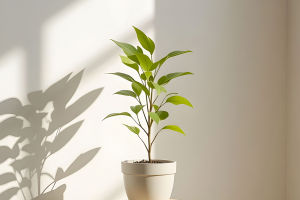
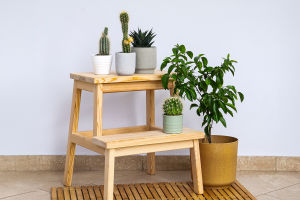
Walking through a garden on a bright morning, it's impossible not to notice how some plants seem to glow while others appear pale and stunted.
The difference isn't luck—it's all about light. For plants, light is more than a backdrop; it's a vital ingredient for life, guiding growth, color, and even flowering.
Understanding how light affects plants can help you nurture stronger, more vibrant greenery, whether indoors or outdoors.
Why Light Matters
Plants rely on light to produce energy through photosynthesis, a process where they convert sunlight into food. Without sufficient light, growth slows, leaves may yellow, and flowers may fail to bloom.
Key points:
• Energy source: Light fuels the plant's food-making machinery, allowing leaves, stems, and roots to develop.
• Growth direction: Plants naturally grow toward light, a phenomenon called phototropism, which ensures leaves capture maximum energy.
• Color and strength: Bright light helps leaves develop rich colors and sturdy stems, while weak light often produces thin, pale foliage.
Actionable tip: Place plants in areas where they can receive the recommended daily hours of light for their species. For instance, succulents usually need 6–8 hours of direct sunlight.
Types of Light
Not all light is created equal. Plants respond differently to various wavelengths, which influences their growth patterns.
1. Natural sunlight: The full spectrum of sunlight provides the best energy for photosynthesis. South- or west-facing windows usually offer the strongest light indoors.
2. Artificial light: LED grow lights or fluorescent lamps can supplement or replace sunlight, especially in rooms with limited windows.
3. Filtered light: Some plants prefer indirect light, which avoids leaf burn while still providing enough energy for healthy growth.
Actionable tip: Rotate indoor plants every week to ensure even exposure and prevent one side from becoming leggy or weak.
Light Intensity and Duration
Both how strong the light is and how long plants receive it affect development. Too little light can stunt growth, while excessive light can scorch leaves.
Considerations:
• Intensity: Plants closer to a window or lamp receive more intense light, which can speed growth. Keep delicate plants a few feet back to prevent damage.
• Duration: Most houseplants thrive on 10–14 hours of light daily. Use timers with artificial lights to maintain consistent schedules.
• Seasonal changes: Shorter winter days may require supplemental lighting to keep plants healthy.
Actionable tip: Measure light intensity with a smartphone app or simple light meter to ensure your plants get the right exposure without being overexposed.
Signs of Light Problems
Observing plants regularly can reveal whether they're getting the right amount of light.
Common signs:
• Too little light: Leaves become pale, stems stretch, and growth slows.
• Too much light: Leaves develop brown edges, curl, or show scorch marks.
• Uneven light: Plants lean heavily to one side or grow unevenly.
Actionable tip: Adjust plant placement gradually rather than moving them from one extreme to another, allowing time for adaptation.
Maximizing Light for Indoor Plants
For indoor gardening, light can be a limiting factor, but there are ways to optimize it.
Strategies:
• Window choice: Use south-facing windows for sun-loving plants, east-facing for moderate light.
• Reflective surfaces: White walls or mirrors can bounce light toward plants, enhancing brightness.
• Supplemental lamps: Place grow lights above or slightly in front of plants for even distribution.
Actionable tip: Position taller plants behind shorter ones to avoid blocking light, ensuring each receives sufficient exposure.
Light shapes every aspect of plant life, from leaf color to flower production. By understanding the types, intensity, and duration of light plants need, you can create environments where greenery thrives. Even small adjustments, like moving a plant closer to a window or using a simple LED lamp, can transform weak, leggy stems into vibrant, healthy growth.
Paying attention to light isn't just about keeping plants alive—it's about helping them flourish and reach their full potential.