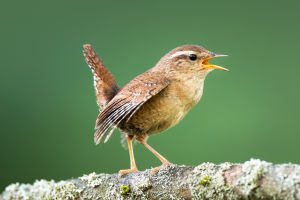
We’ve all encountered birds that captivate our attention, but have you ever heard of the White-throated Fantail? This charming bird, scientifically known as Rhipidura albicollis, is part of the family Rhipiduridae.
It is especially known for its striking white throat, which makes it stand out in its native environment. Today, we’ll dive into some fascinating details about this bird, its habitat, and how to identify it. Let’s explore what makes the White-throated Fantail so special!
Where Is the White-throated Fantail Found?
The White-throated Fantail is a small insect-eating bird found across tropical and subtropical southern and southeastern parts of Asia, ranging from the Himalayan foothills through forested and woodland regions into broader southeastern tropical landscapes. It occupies an array of wooded environments, including forests, secondary growth, scrub, and gardens with dense vegetation.
It has a distinctive white throat and supercilium, and a dark fan-shaped tail edged in white, which it often fans while foraging among low vegetation for insects. This bird loves the tropical and subtropical forests, where it flits from tree to tree in search of insects. If you’re ever visiting these regions, look closely in the dense foliage, especially near streams or forest edges, as this is where these birds are most commonly spotted.
Physical Characteristics: A Bird with Style
The White-throated Fantail’s name says it all. This bird features a distinct white throat that contrasts beautifully with its darker plumage. The rest of its body is mainly dark gray, while its tail is slightly fanned out, which it uses for balance and to help it catch prey. The bird’s tail is one of its most remarkable features—wide, rounded, and often in constant motion, making it a joy to watch. These birds also have a bright eye-ring and sharp, small beaks, making them look quite sharp and alert.
Behavior and Feeding Habits: Quick and Agile
One of the most striking features of the White-throated Fantail is its behavior. It is an active bird, constantly on the move. You’ll often see it darting through the underbrush, flapping its wings rapidly as it hunts for insects. The bird feeds primarily on small insects and spiders, which it catches with remarkable speed. Its agility in flight makes it a master of aerial acrobatics, swooping and darting to catch its meal mid-air. If you happen to be in the right place at the right time, you might even witness its impressive feeding displays.
Reproduction: Raising the Next Generation
During the breeding season, the White-throated Fantail is particularly busy. These birds build small, cup-shaped nests made from twigs, grass, and moss, often in low shrubs or trees. Both male and female birds contribute to the nest-building process, ensuring it is well-constructed and secure. After the eggs are laid, both parents take turns incubating them, with the young hatching after about two weeks.
Once hatched, the parents continue to care for their chicks, feeding them a diet of small insects until they are old enough to fly and fend for themselves.
Conservation Status: Safe for Now
The good news is that the White-throated Fantail is currently not considered endangered. According to the International Union for Conservation of Nature (IUCN), it is classified as "Least Concern," meaning that its population is stable, and there are no immediate threats to its survival. However, like many species, its habitat could be affected by deforestation or environmental changes. As long as its natural environment remains intact, this unique bird should continue to thrive.
Why Should We Care About the White-throated Fantail?
So, why does the White-throated Fantail matter to us? Well, this bird is a perfect example of the incredible diversity found in nature. It is an indicator species—meaning that it can reflect the health of the ecosystem in which it lives. By protecting birds like the White-throated Fantail, we are also safeguarding the overall health of tropical forests and the myriad other species that depend on these habitats. Observing these birds can also bring us closer to nature, allowing us to appreciate the beauty and complexity of the world around us.
A Fascinating Bird to Discover
The White-throated Fantail’s unique beauty and lively behavior make it a bird worth discovering. If you ever find yourself in the tropical forests of South Asia, take a moment to observe the fluttering movements of this remarkable creature. Its aerial acrobatics and elegant appearance are sure to leave an impression. Have you had the chance to spot one of these stunning birds? We’d love to hear about your experience and thoughts!