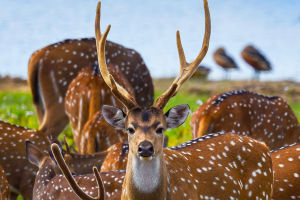
When we think of deer, we often imagine a doe gracefully moving through the forest.
The doe, a female deer, plays a key role in the wild, contributing to both the survival of her species and the ecosystem.
Though gentle and often elusive, the doe has remarkable instincts and behavior that make her a vital part of the natural world. Let's explore the fascinating life of the doe and how she navigates the challenges of survival.
The Physical Characteristics of the Doe
Does, the female members of the deer species, share many similarities with their male counterparts, but there are distinct physical differences that help them thrive in the wild.
Smaller Frame: Compared to male deer, does are typically smaller and more nimble. Their bodies are built for stealth and agility, which are crucial for avoiding predators and navigating through dense forests or open fields.
Coloration and Camouflage: A doe's coat is usually a brown or grayish-brown color, which allows her to blend into her surroundings, especially in the fall when the leaves turn. This camouflage helps her stay hidden from predators such as wolves, coyotes, or mountain lions.
Sensory Adaptations: Does have keen senses that help them survive in the wild. Their sense of smell is highly developed, which allows them to detect predators from a distance. Their large, sensitive ears also pick up on the faintest sounds, and their excellent eyesight helps them spot movement in their environment.
Diet and Feeding Habits
Does are herbivores, and their diet primarily consists of grasses, leaves, shrubs, and tree bark. Their feeding habits are vital for their health, survival, and reproduction.
Varied Diet: During different seasons, a doe's diet changes. In the spring and summer, she feeds on fresh grasses and plants that provide ample nutrients. In the winter, when fresh vegetation is scarce, she may turn to hardy plants and tree bark to sustain herself.
Foraging Behavior: Does are crepuscular feeders, meaning they are most active during dawn and dusk. This feeding pattern allows them to take advantage of the cooler temperatures and avoid peak predatory times during the day or night.
Impact on the Ecosystem: As herbivores, does play a crucial role in shaping the vegetation of their habitats. By feeding on certain plants, they help control plant populations, allowing for healthier growth and biodiversity in their environment.
Reproduction and Maternal Instincts
The reproductive cycle of the doe is a fascinating process that ensures the continuation of the species. From mating to raising her fawn, the doe's maternal instincts are essential for the survival of her offspring.
Mating Season: During the breeding season, known as the rut, does may mate with bucks. The rut is a time when males compete for the attention of females, and does often choose the healthiest or most dominant males to mate with.
Pregnancy and Birth: Does have a gestation period of about 200 days, after which they give birth to one or two fawns. Fawns are born with spots that provide camouflage in the tall grass or forest floor, helping them avoid detection by predators in their early days of life.
Mother's Care: After giving birth, the doe stays close to her fawns, ensuring they are well-fed and protected. She often hides her fawns in tall grass or dense vegetation, leaving them there while she forages for food. During this time, she remains vigilant to protect her young from potential threats.
Doe Behavior and Social Structure
Does are often seen as solitary creatures, but they also form complex social structures, especially when raising offspring.
Group Living: While does are typically solitary outside of the mating season, they often form small groups, especially when they are caring for their fawns. These groups, known as “herds,” allow for mutual protection and help the younger deer learn from older individuals.
Communication: Does communicate with each other through a range of vocalizations and body language. When danger is near, they may grunt or stomp their hooves to alert others in the group. Their ability to coordinate and communicate effectively within a group is vital for staying safe from predators.
Territorial Behavior: Does generally do not defend territories, unlike some male species. However, they may show territorial behaviors when it comes to protecting their young. During the fawning season, does become especially protective and will fiercely guard their babies against any potential threat.
Predators and Survival Strategies
Despite their grace and beauty, does are preyed upon by a variety of animals. Their survival depends on a number of instinctual behaviors and adaptations.
Avoiding Predators: The doe's primary defense against predators is her speed and agility. She is capable of running up to 30 miles per hour for short distances, allowing her to outrun many predators. Additionally, her camouflage makes her harder to spot in the wild.
Warning Signals: When a doe senses danger, she will often freeze, using her excellent hearing and smell to assess the situation. If the threat is imminent, she will flee with her herd, and sometimes she will create a diversion to lead predators away from her young.
Staying Hidden: Does are skilled at finding shelter in dense brush, tall grasses, or thickets, where they can lie still and wait for the danger to pass. They are also excellent at moving silently through their environment, which helps them avoid detection.
Conservation and Challenges
While deer populations are generally stable in many areas, does face threats that could impact their survival and the stability of their species.
Habitat Loss: Urbanization and agriculture have reduced the natural habitats of deer. As their environment shrinks, does are forced into smaller areas, making them more vulnerable to predators and human activity.
Vehicle Collisions: One of the biggest threats to does and deer, in general, is vehicle collisions. As deer venture into urban areas in search of food or safer places to live, they often end up on busy roads, where they are at risk of being struck by vehicles.
Poaching and Hunting: Although hunting regulations are in place, poaching still occurs. In some regions, does are hunted illegally or are killed during hunting seasons when they are not supposed to be targeted, which disrupts their populations and reproductive cycles.
Reflection: The Doe's Role in Nature
The doe is often overlooked compared to the more dominant bucks, but she plays an essential role in the balance of nature. From nurturing the next generation to maintaining healthy ecosystems, the doe is a vital part of the wild world. By protecting her habitat and ensuring that she remains part of the natural cycle, we can help preserve the delicate balance that keeps our environment thriving.